
Bad Breath in Cats: What It Means and When to Worry
Bad breath in cats, also known as feline halitosis, is an unusually unpleasant odor coming from your cat’s mouth that goes beyond normal cat breath. While a mild fishy or food-related smell right after a meal is normal, persistent bad breath in cats is often a sign that something else is going on, most commonly dental disease. It’s one of the more overlooked warning signs in feline health, since many owners assume smelly breath is just a quirky part of cat ownership rather than a potential symptom. This blog explains what causes bad breath in cats, how it’s diagnosed, and what steps can help manage it.
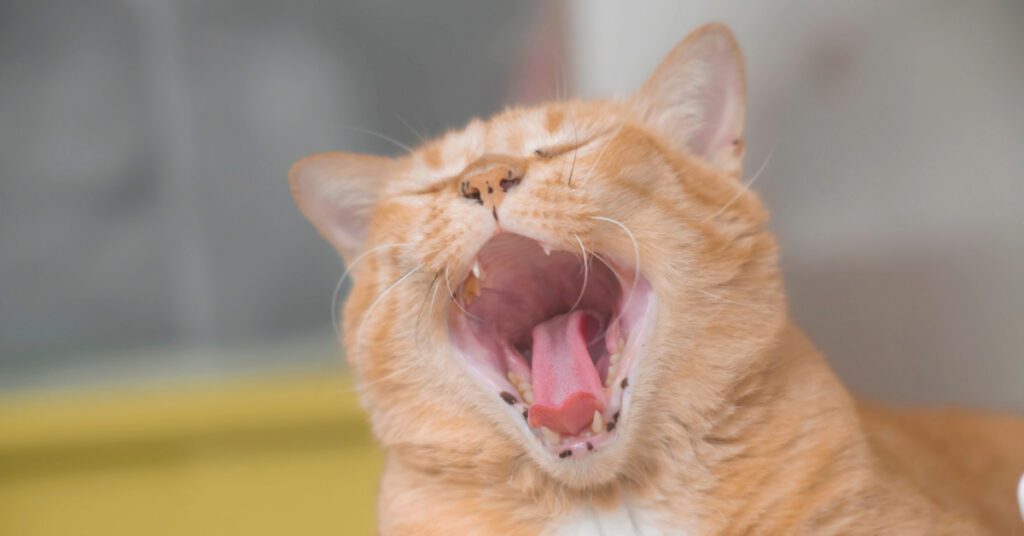
What Is Bad Breath in Cats?
Bad breath in cats refers to a persistent, noticeably unpleasant odor from the mouth that doesn’t resolve on its own. Occasional breath changes after eating are normal, but ongoing odor usually points to an underlying issue.
Normal Breath Versus a Warning Sign
Every cat’s breath has a subtle scent, but bad breath in cats that’s sour, sharp, or persistent is different from typical everyday odor. If the smell lingers for days or gets progressively worse, it’s worth paying closer attention rather than assuming it will pass. Kittens and younger cats sometimes experience temporary breath changes during teething, which is generally less concerning than chronic odor in an adult or senior cat. Indoor cats and outdoor cats can both develop this issue, since diet, grooming habits, and genetics all play a role independent of lifestyle.
Symptoms of Bad Breath in Cats
Bad breath in cats rarely shows up alone. It’s often accompanied by other signs that point toward the underlying cause.
Signs to Watch Alongside Bad Breath
Cats with bad breath may also show changes in eating habits, grooming, or general behavior that hint at discomfort. Because cats are naturally good at masking pain, these accompanying signs are often more noticeable to owners than the discomfort itself.
- Drooling more than usual or pawing at the mouth
- Reduced interest in food, especially dry kibble
- Visible redness or swelling along the gum line
- Reluctance to be touched near the face or mouth
Causes of Bad Breath in Cats
Bad breath in cats can stem from a range of causes, from dental problems to broader health conditions affecting other parts of the body.
Dental and Oral Causes
The most common cause of bad breath in cats is dental disease, including plaque buildup, tartar, gingivitis, and periodontal disease. Bacteria that accumulate along the gumline release odorous compounds, which is why this condition so often points back to the mouth itself. Broken teeth, oral infections, and resorptive lesions can also contribute to a persistent odor, and these are more common in middle-aged and senior cats. Cats fed primarily wet food may accumulate plaque differently than cats on a dry kibble diet, though both can develop dental disease without regular preventive care.
Non-Dental Causes to Consider
While the mouth is the most common source, bad breath in cats can occasionally stem from other systemic issues:
- Kidney disease, which can cause an ammonia-like odor
- Diabetes, sometimes associated with a sweet or fruity smell
- Gastrointestinal issues affecting digestion
- Foreign objects lodged in the mouth or throat
How Veterinarians Diagnose Bad Breath in Cats
Diagnosing the source of bad breath in cats starts with a thorough conversation and hands-on exam at Best Friends Veterinary Hospital.
What a Veterinary Exam Involves
Your veterinarian will typically review your cat’s health history and perform an oral exam to check for tartar, gum inflammation, broken teeth, or masses. Because bad breath in cats can stem from causes beyond the mouth, further diagnostics like bloodwork or dental X-rays may be recommended if a dental cause isn’t immediately obvious from the initial exam.
Diagnostic Tools Vets May Use
Depending on what the initial exam reveals, additional testing helps pinpoint exactly what’s driving the odor and guides the appropriate next steps for your cat’s care.
- Oral examination under sedation for a closer look
- Dental X-rays to assess tooth roots and bone health
- Bloodwork to screen for kidney, liver, or metabolic issues
- Urinalysis when kidney or diabetes concerns are suspected
Treatment of Bad Breath in Cats
Treatment depends entirely on the underlying cause identified during the veterinary exam, which is why a proper diagnosis matters before pursuing any fix.
Addressing the Underlying Cause
When dental disease is the source, a professional veterinary dental cleaning at Best Friends Veterinary Hospital is often the most effective way to address bad breath in cats, since it removes tartar and bacteria that home brushing alone can’t reach. If bloodwork points to a systemic condition like kidney disease or diabetes, treatment shifts toward managing that broader health issue under your veterinarian’s ongoing guidance. Because every cat’s situation is different, the right treatment plan should always come from a licensed veterinarian after a full evaluation rather than guesswork at home.
Recovery and Management of Bad Breath in Cats
Recovery timelines vary depending on the underlying cause and the treatment your veterinarian recommends for your cat, and having realistic expectations helps owners feel less anxious during the process.
What to Expect After Treatment
Cats who undergo a dental cleaning often show noticeably fresher breath once healing is complete, along with reduced gum inflammation and improved comfort while eating. For cats managed for a systemic condition, ongoing veterinary monitoring helps track progress and adjust care as needed over time. Follow-up visits are an important part of confirming that bad breath in cats has genuinely improved rather than just temporarily masked by a single treatment.
Prevention of Bad Breath in Cats
While not every case is preventable, several habits can meaningfully reduce the risk of this issue developing or worsening over time.
Everyday Habits That Support Oral Health
- Routine veterinary dental checkups, at least once a year
- Vet-approved dental treats, diets, or water additives
- Regular at-home tooth brushing with cat-safe toothpaste
- Monitoring for early signs like drooling or reduced appetite
Working With Your Vet on Long-Term Oral Health
Persistent bad breath in cats is rarely something to ignore, since it’s often the first noticeable sign of a treatable underlying issue. Scheduling a visit with Best Friends Veterinary Hospital at the first sign of ongoing odor gives your cat the best chance at early diagnosis and a comfortable outcome. With regular checkups and attentive care at home, most cats can maintain healthy breath and a healthy mouth well into their senior years. Staying proactive rather than waiting for symptoms to worsen makes a real difference in both your cat’s comfort and the complexity of any treatment down the road. Call one of our locations or book an appointment online today.
Recent Posts


About Best Friends Veterinary Hospital
Our veterinarians and staff warmly welcome dogs, cats, and a variety of exotic pets as patients here at our animal hospital, and we offer a host of services to give your unique family member a lifetime of excellent care.