
Why Your Exotic Pet Deserves an Exotic Veterinarian
Your bearded dragon stops basking, your cockatiel gets quieter than usual, or your rabbit skips a meal. Unlike a dog or cat, these subtle shifts can be the only warning sign you get before a real problem takes hold. That’s exactly why an exotic vet, not a general practitioner, is the right call for these animals: exotic species hide illness instinctively, and their anatomy, metabolism, and care needs have almost nothing in common with a typical dog-and-cat patient.
A vet who hasn’t trained specifically in exotic medicine can miss those early cues entirely, sometimes with serious consequences. This blog breaks down what actually separates an exotic vet from a general practitioner, what to look for when choosing one, and why that specialized expertise matters so much for the unconventional companions who share our homes.
What Is an Exotic Vet?
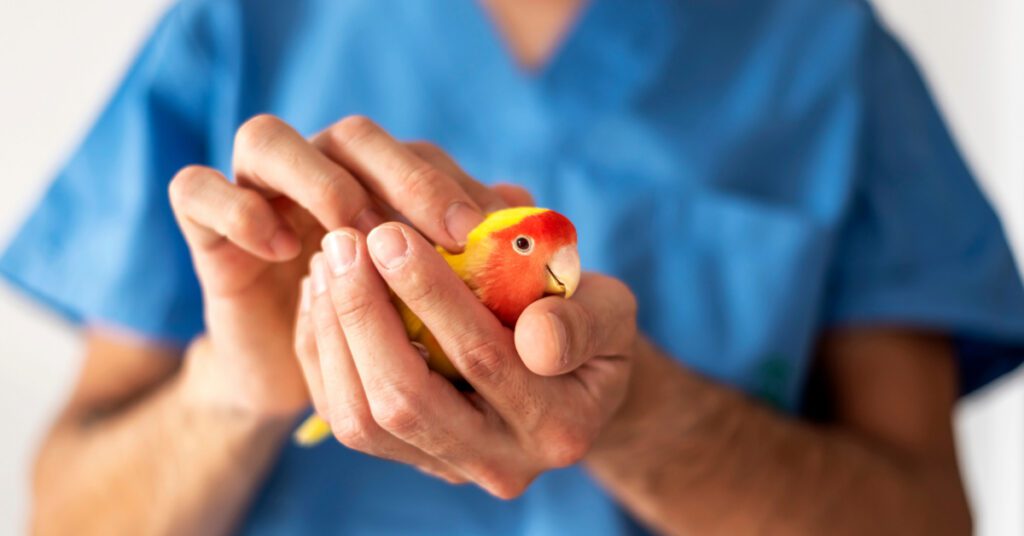
An exotic vet is a veterinarian with specialized training and experience treating non-traditional companion animals, ranging from birds and reptiles to small mammals and amphibians. This specialized knowledge goes well beyond what’s covered in general veterinary education, touching on husbandry, nutrition, and species-specific disease patterns that simply don’t come up in a typical dog-and-cat practice.
Specialized Training and Certification
Becoming a qualified exotic vet typically requires additional coursework, internships, or residencies focused specifically on exotic species, since standard veterinary school curricula spend the majority of their time on dogs, cats, and livestock. Some exotic vets pursue board certification in avian, reptile, or exotic companion mammal practice, which reflects an even deeper level of specialized expertise.
This additional training often takes years beyond veterinary school itself, reflecting just how different exotic species are from the conventional patients most clinics see. Continuing education is also a major part of staying current in this field, since new research on nutrition, husbandry, and disease management in exotic species emerges regularly.
Species Commonly Seen by an Exotic Vet
The range of animals treated by a veterinarian specializing in this field is broad, and each species group comes with its own set of health considerations and handling techniques. Some practices focus on just one or two categories, such as birds and reptiles, while others build a broader caseload that spans nearly every kind of companion animal outside the typical dog-and-cat mold entirely.
- Birds, including parrots, cockatiels, and finches
- Reptiles, such as bearded dragons, snakes, and turtles
- Small mammals, like rabbits, guinea pigs, and ferrets
- Amphibians, including frogs and salamanders
Why Exotic Pets Need Specialized Care
Exotic pets aren’t simply smaller or unusual versions of cats and dogs, which is exactly why our exotic vet at Best Friends Veterinary Hospital approaches their care so differently from a general small-animal practice.
Unique Anatomy and Physiology
Birds have hollow bones and an air sac respiratory system unlike any mammal, while reptiles are ectothermic and rely on environmental temperature to regulate their metabolism. An exotic vet understands these fundamental biological differences and factors them into every exam, diagnosis, and treatment plan, which a general practitioner without that background may not fully account for.
Even something as routine as calculating a safe medication dose can differ dramatically between species, making specialized knowledge essential rather than optional. Handling technique matters just as much: a restraint method that’s perfectly safe for a cat could cause serious injury or severe stress to a bird or reptile.
Subtle Signs of Illness
Many exotic species are prey animals by nature, which means they instinctively hide signs of illness until a condition has progressed significantly. An experienced exotic vet knows the subtle behavioral and physical cues that indicate a problem, often catching issues that would otherwise go unnoticed until they become serious.
A slight change in a bird’s posture, a reptile’s basking habits, or a rabbit’s appetite can all be early indicators that only a trained eye is likely to recognize in time. This is one of the strongest arguments for regular wellness visits rather than waiting until a pet appears visibly unwell.
What to Look for in an Exotic Vet
Choosing the right exotic vet involves more than simply finding a practice that will see your pet, since experience level varies widely between providers.
Questions to Ask Before Your First Visit
Not every veterinarian who accepts exotic patients has the same depth of experience, so it’s worth doing some research before committing to a provider, especially if your pet has an uncommon or particularly sensitive species profile.
- Does the exotic vet have specific experience with your pet’s species?
- How many exotic patients does the practice see regularly?
- Is specialized equipment available for exotic diagnostics and treatment?
- Does the exotic vet stay current with ongoing exotic animal education?
Facility and Equipment Considerations
Exotic species often require specialized equipment, from avian-specific anesthesia monitoring to reptile-safe restraint tools, that a typical small-animal clinic may not have on hand. A well-equipped exotic vet practice, like the one at Best Friends Veterinary Hospital, invests in this specialized equipment because standard tools designed for dogs and cats often aren’t appropriate or safe for exotic patients.
Temperature-controlled recovery spaces, species-appropriate scales, and appropriately sized instruments all make a meaningful difference in the quality and safety of care an exotic patient receives. Diagnostic imaging equipment calibrated for smaller or unusually shaped patients is another detail that separates a truly well-prepared practice from one that simply accepts exotic appointments without the infrastructure to match.
Common Exotic Pets and Their Care Needs
Every species treated by an exotic vet comes with its own husbandry requirements, and understanding these basics helps owners provide better day-to-day care between veterinary visits.
Birds and Their Health Considerations
Birds require an exotic vet familiar with respiratory health, nutrition, and behavioral enrichment, since improper diet and environment are common contributors to illness in captive birds. Routine wellness exams with a specialist can catch nutritional deficiencies and early respiratory issues before they become emergencies. Feather condition, droppings, and activity level are all details an experienced provider will evaluate closely during a visit, and establishing a baseline early in a bird’s life makes it much easier to spot subtle changes down the road.
Reptiles and Small Mammals
Reptiles depend heavily on proper temperature and humidity, and an exotic vet can help owners fine-tune their setup to prevent metabolic bone disease and other husbandry-related conditions. Small mammals like rabbits and guinea pigs have delicate digestive systems that benefit from specialized dietary guidance, since even minor dietary missteps can lead to serious gastrointestinal issues in these species. Ferrets, too, have their own set of common health concerns, including adrenal and dental issues, that benefit from a provider familiar with their particular physiology.
Finding the Right Exotic Vet for Your Pet
Investing the time to find a qualified exotic vet pays off throughout your pet’s entire life, since consistent, knowledgeable care makes early detection and effective treatment far more likely. Our team at Best Friends Veterinary Hospital is proud to offer the specialized experience exotic pets deserve, from routine wellness visits to more complex medical care needs.
Whatever species shares your home, partnering with the right exotic vet gives your unique companion the best possible foundation for a long, healthy life, and it’s a decision well worth researching very carefully from the very beginning. Taking the time now to build a relationship with a trusted provider means faster, more confident care whenever your pet needs it most. Call one of our locations or book an appointment online today.
Recent Posts


About Best Friends Veterinary Hospital
Our veterinarians and staff warmly welcome dogs, cats, and a variety of exotic pets as patients here at our animal hospital, and we offer a host of services to give your unique family member a lifetime of excellent care.