
What Do Hot Spots Look Like on a Dog? Signs Every Owner Should Know
Picture this: your dog was fine at breakfast, but by dinner there’s a raw, weeping patch of skin on their hip that seems to have appeared out of nowhere. So what do hot spots look like on a dog? They’re red, moist, angry-looking areas of irritated skin, often with matted or missing fur, that can double in size in a matter of hours. It’s one of the fastest-developing skin issues in veterinary medicine, catching even attentive owners off guard. The good news is that once you know the telltale signs, a hot spot is easy to recognize early, when it’s still small and far more manageable. In this blog, our team walks through exactly what to look for, what typically causes hot spots to form, and when it’s time to bring your dog in for a closer look.
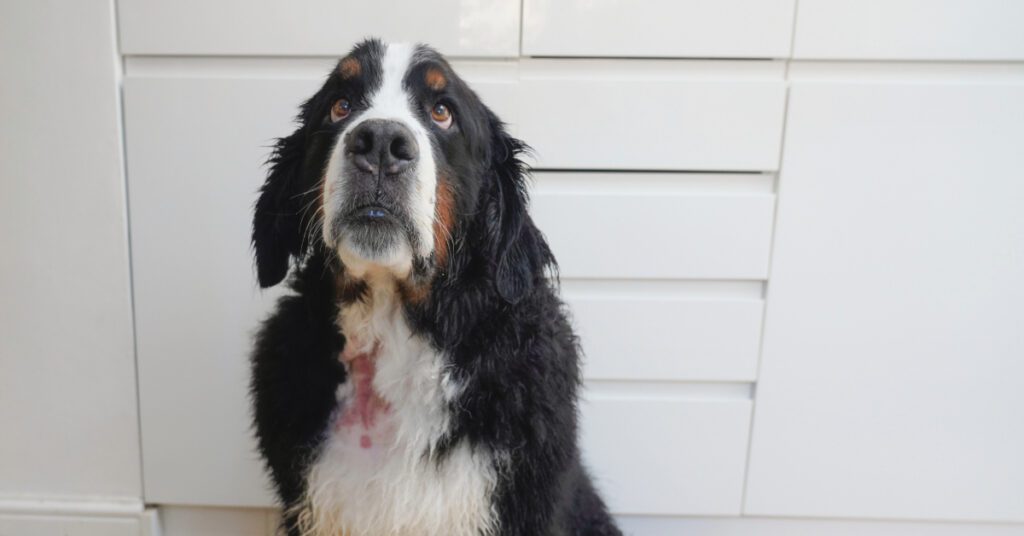
What Are Hot Spots on Dogs?
Hot spots, medically known as pyotraumatic dermatitis, are localized areas of skin inflammation that develop rapidly, often within hours. They’re triggered by a cycle of licking, scratching, or chewing that irritates the skin further and worsens the area over a short period of time. Veterinarians sometimes refer to this as a self-perpetuating cycle, since the irritation itself prompts more licking, which in turn worsens the irritation even further.
Why Hot Spots Develop So Quickly
Unlike many skin conditions that build gradually, hot spots can appear seemingly overnight. A dog who’s already itchy from an allergy, insect bite, or matted fur may start licking or scratching at one spot repeatedly, and that repeated trauma to the skin creates the hallmark appearance owners associate with hot spots. Because the self-trauma cycle feeds itself, a small irritation can turn into a much larger, more painful area in a surprisingly short window of time, sometimes just a few hours, which is exactly why early recognition matters so much.
Hot Spots Versus Other Skin Irritations
Owners wondering, “What do hot spots look like on a dog?” are often trying to distinguish a hot spot from a simple bug bite or minor scrape. The key difference is speed and moisture: hot spots expand quickly and stay visibly wet, while most other minor irritations stay small and dry out as they heal. A bug bite might cause a small, localized bump that fades within a day or two, whereas a true hot spot tends to worsen noticeably if it isn’t addressed, often doubling in size within 24 hours.
What Do Hot Spots Look Like on a Dog?
Understanding what hot spots look like on a dog starts with knowing the key visual and physical characteristics that set them apart from other skin issues.
Key Visual Signs to Recognize
Hot spots are usually easy to spot once you know what to look for, since they tend to stand out clearly against surrounding healthy skin. Many owners describe the affected area as looking almost burned or scalded, which is part of why the condition earned its common nickname. Additional signs to watch for include:
- Red, raw, or angry-looking skin, often with a defined border
- Wet or oozing surface, sometimes with a yellowish discharge
- Hair loss or matting directly over the affected area
- Rapid growth in size over just a day or two
- A noticeably warm or tender feel when touched
Where Hot Spots Commonly Appear
While hot spots can technically develop anywhere, they’re most frequently seen on the head, ears, hips, and legs. Dogs with thick or dense coats, like Golden Retrievers and German Shepherds, are especially prone to developing them in areas where moisture gets trapped against the skin, and knowing what hot spots look like on a dog with this kind of coat can help owners check problem areas more proactively. Breeds with heavy shedding or double coats may also be more susceptible simply because trapped fur holds in moisture longer after a bath or swim, creating ideal conditions for skin irritation to take hold.
Common Causes of Hot Spots in Dogs
Understanding the answer to “What do hot spots look like on a dog?” is only part of the picture, since knowing the underlying triggers helps prevent future flare-ups.
Environmental and Allergy-Related Triggers
Fleas, environmental allergies, and food sensitivities are among the most common underlying causes, since the itchiness they cause often kicks off the licking and scratching cycle. Humid weather and prolonged dampness, such as a coat that stays wet after swimming or bathing, can also create the perfect conditions for a hot spot to form. Seasonal allergy flare-ups in spring and summer tend to coincide with a noticeable rise in hot spot cases at many veterinary practices.
Behavioral and Physical Contributors
Anxiety, boredom, and stress can also lead some dogs to lick or chew at one area obsessively, which can trigger a hot spot even without an underlying skin irritation. Poor grooming, matted fur, and ear infections are additional contributors, since trapped moisture and irritation in these areas make the skin more vulnerable. Dogs left alone for long stretches, or those going through a change in routine, sometimes develop these habits as a way of self-soothing, which owners may not immediately connect to a physical skin issue.
- A recent move, new pet, or change in household routine triggering stress-driven licking
- Infrequent brushing that lets fur mat and trap moisture against the skin for days
- A chronic, untreated ear infection prompting a dog to scratch at the surrounding area
- Separation anxiety that shows up as fixation on one specific spot when left alone
- A habit that continues even after the original irritation has already healed
When to See a Vet for Hot Spots
While some mild hot spots may look alarming, understanding what do hot spots look like on a dog when they need medical attention is an important skill for owners to develop.
Signs That Warrant a Veterinary Visit
Hot spots can worsen quickly, and secondary bacterial infection is common if the area isn’t addressed. Hot spot care at Best Friends Veterinary Hospital is especially important if the spot is spreading rapidly, appears deep or painful, or is accompanied by other symptoms. Recognizing what hot spots look like on a dog in these more serious cases, such as ones with significant swelling or a foul smell, can help owners decide how urgently to seek care. Signs that your pet requires veterinary care include:
- Rapid spreading or a noticeably enlarging area
- Foul odor coming from the affected skin
- Visible pus or thick discharge
- Signs of pain when the area is touched
- A dog that seems lethargic or off their usual behavior
Why Professional Diagnosis Matters
Because hot spots can sometimes resemble other skin conditions like ringworm, mange, or bacterial infections, your veterinarian can confirm the diagnosis and rule out other causes. This is especially important for recurring hot spots, since repeated flare-ups often point to an underlying allergy or condition that needs its own treatment plan. Owners who are unsure what hot spots look like on a dog compared to these other conditions should always lean toward scheduling an exam rather than guessing, since an accurate diagnosis makes every next step more effective.
Managing Hot Spots and Supporting Healthy Skin
Now that you know the answer to “What do hot spots look like on a dog?”, the next step is working with your veterinary team to address both the immediate irritation and any underlying cause. Best Friends Veterinary Hospital can help identify triggers, recommend an appropriate treatment plan, and guide you through preventing future flare-ups. Catching a hot spot early and getting professional guidance gives your dog the best chance at fast, comfortable healing and fewer repeat episodes down the road, so a quick check-in with your vet is always worth the peace of mind. Call one of our locations or book an appointment online today!
Recent Posts

About Best Friends Veterinary Hospital
Our veterinarians and staff warmly welcome dogs, cats, and a variety of exotic pets as patients here at our animal hospital, and we offer a host of services to give your unique family member a lifetime of excellent care.