
Is Your Dog’s Eye Red? Common Causes and Treatments Explained
If your dog’s eye is red, it’s usually a sign of irritation, inflammation, or an underlying eye condition that’s worth paying attention to right away. Redness can range from a faint pink tinge to a deep, angry red, and the cause can be as simple as dust or as serious as glaucoma. Eyes are delicate structures, and even seemingly small changes can sometimes signal something that needs prompt care rather than a wait-and-see approach. In this blog, our team at Best Friends Veterinary Hospital walks through the different types of redness, what to do at home, common causes, and how a proper diagnosis and treatment plan comes together.
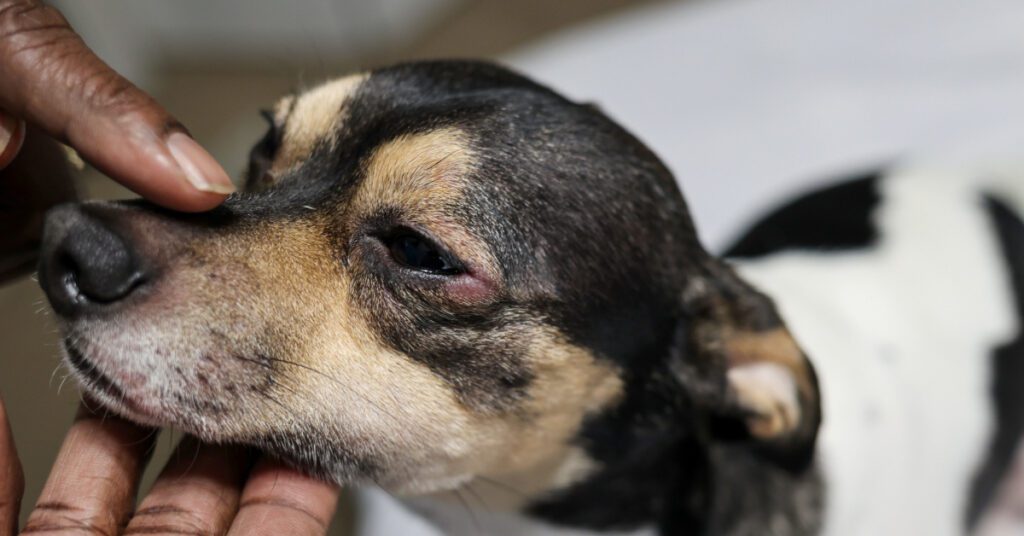
Types of Red Eyes in Dogs
When a dog’s eye is red, the pattern and location of the redness can offer early clues about what’s going on before you even see a veterinarian.
Common Patterns of Redness
Redness might appear across the white of the eye, along the rims of the eyelids, or as a pinkish haze over the entire eye surface. A dog’s eye is red in different ways depending on the underlying issue, which is why noting exactly where the redness shows up is genuinely useful information for your vet. Some dogs will only show redness in one eye, which can be an important clue on its own, since a single-eye issue often points toward localized trauma or infection rather than a broader allergy or systemic condition affecting both eyes equally.
Acute vs Chronic Redness
Sudden redness that appears within hours, especially alongside squinting or pawing at the face, tends to point toward an acute irritant or injury. When a dog’s eye is red for days or weeks without resolving, that pattern often suggests a chronic condition, such as an ongoing allergy or a structural eye problem that needs veterinary attention. Chronic redness can also wax and wane over time, appearing to improve briefly before flaring back up, which is a pattern worth mentioning specifically during a veterinary visit.
What To Do if Your Dog Has Red Eyes
Once you notice your dog’s eye is red, a few first steps can help you figure out how urgently your dog needs to be seen.
Immediate Steps to Take
Gently check for obvious debris, such as a grass seed or eyelash, without attempting to remove anything embedded in the eye itself. Keep your dog from further rubbing or pawing at the area, since this can worsen irritation or introduce infection. Take note of any other symptoms, like discharge, squinting, or changes in behavior, since these details will help your veterinary team narrow down the cause more quickly. A quick, well-lit look at both eyes side by side can also help you notice asymmetry that might otherwise be easy to miss.
When It’s Urgent
Certain signs mean a dog’s eye is red for a reason that can’t wait for a routine appointment. Sudden severe pain, cloudiness, a visibly bulging eye, or complete closure of the eyelid all warrant an emergency visit, since some causes of redness can threaten your dog’s vision if left untreated. Trusting your instincts matters here too, since owners often notice subtle changes in their dog’s comfort level before the visual signs become obvious.
Causes of Red Eyes in Dogs
There are many possible reasons a dog’s eye is red, ranging from minor and temporary to more serious and vision-threatening.
Common Non-Serious Causes
Dust, pollen, smoke, and other environmental irritants are frequent culprits behind mild, short-lived redness. Allergies can also cause both eyes to appear red and watery at the same time, often alongside sneezing or itchy skin elsewhere on the body. Seasonal changes tend to bring a noticeable uptick in these milder cases, particularly in dogs who already have known environmental sensitivities.
More Serious Underlying Conditions
Conjunctivitis, corneal ulcers, glaucoma, and uveitis are among the more serious conditions that can cause a dog’s eye to turn red for a prolonged period. Some breeds, particularly those with prominent or bulging eyes, are more prone to certain eye conditions due to their anatomy, making regular eye checks especially valuable for these dogs and worth discussing at routine wellness visits.
- Bacterial or viral conjunctivitis causing thick discharge alongside redness
- A scratched cornea from a stick, thorn, or rough play with another pet
- Elevated eye pressure from glaucoma, which can develop quickly and painfully
- Inflammation inside the eye itself, known as uveitis, often linked to systemic illness
How Vets Diagnose the Cause of Red Eyes in Dogs
Because so many different conditions can cause red eyes in dogs, an accurate diagnosis is truly the foundation of any effective treatment plan.
What a Veterinary Eye Exam Involves
Your veterinarian will typically examine both eyes closely, checking for discharge, cloudiness, pupil response, and any visible damage to the eye’s surface. They’ll also ask about the timeline and any recent changes at home, since a sudden onset versus a gradual one can point toward very different causes. Details like recent grooming, time spent outdoors, or exposure to other animals can all be relevant pieces of the puzzle, so it helps to think through your dog’s recent activities before the appointment.
Diagnostic Tools Vets May Use
Specialized tools help pinpoint exactly why a dog’s eye is red beyond what’s visible during a basic exam.
- Fluorescein staining to detect scratches or ulcers on the cornea
- Tonometry to measure internal eye pressure and screen for glaucoma
- Schirmer tear testing to check for adequate tear production
- Bloodwork when a systemic condition is suspected as the underlying cause
Treatment for Red Eyes in Dogs
Once the cause is identified, treatment for a dog’s eye is tailored specifically and quite carefully to what’s driving the irritation or inflammation.
Treatment Depends on the Cause
Minor irritation from dust or allergens often resolves with time and avoiding the trigger, while infections, ulcers, or glaucoma require targeted veterinary treatment and close monitoring. Because eye conditions can worsen quickly and some carry a real risk to your dog’s vision, the right treatment plan should always come directly from a veterinarian rather than guesswork at home. Follow-up appointments are often part of the process too, since your vet will want to confirm that the treatment is working as expected and that the eye is healing properly over time.
Protecting Your Dog’s Eye Health Going Forward
Any time your dog’s eye is red, even if it seems mild, it’s worth keeping a close eye on how things progress over the following day. Best Friends Veterinary Hospital is here to help identify the cause and get your dog back to comfort as quickly as possible. With prompt attention and the right care, most causes of redness resolve well and rarely lead to lasting problems for your dog’s vision. When in doubt, a quick call to our veterinary team is always a reasonable step, even for redness that looks relatively mild at first glance. Call one of our locations or book an appointment online today!
Recent Posts
About Best Friends Veterinary Hospital
Our veterinarians and staff warmly welcome dogs, cats, and a variety of exotic pets as patients here at our animal hospital, and we offer a host of services to give your unique family member a lifetime of excellent care.