
Why Your Dog’s Bad Breath Isn’t Normal and What to Do About It
A dog leans in for a happy face lick, tail wagging, eyes bright, then the smell hits. Many people laugh it off and assume bad breath in dogs comes with the territory, but that sharp, sour odor often signals a deeper problem. Healthy dogs should not have overpowering mouth odor, and when they do, the cause usually links to dental disease, oral infection, or an issue elsewhere in the body. As a veterinary team, we see how quickly mild odor can turn into painful conditions that affect eating, behavior, and overall health. This blog explains why bad breath in dogs happens, what it may mean, and what steps to take next.
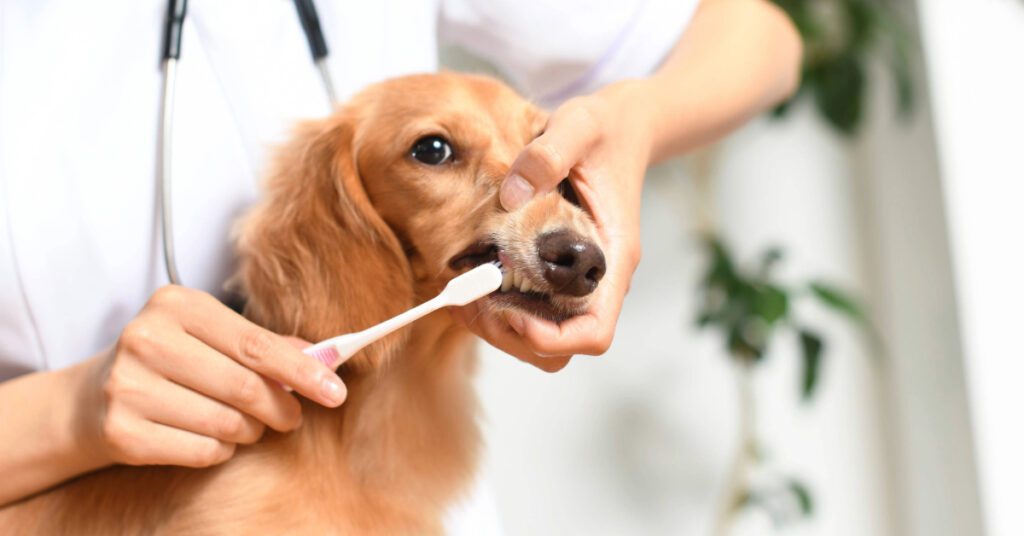
Why Does My Dog Have Bad Breath?
Bad breath in dogs, also called halitosis, usually points to bacteria building up inside the mouth. These bacteria feed on food debris, saliva, and plaque, releasing foul-smelling sulfur compounds as they multiply. Over time, plaque hardens into tartar, which irritates the gums and leads to inflammation known as gingivitis. If untreated, gingivitis progresses into periodontal disease, where infection moves below the gumline and damages the structures that hold teeth in place. This process does not just affect the mouth; bacteria can enter the bloodstream and impact organs such as the heart, liver, and kidneys. When a dog’s breath smells unusually strong, the odor often reflects an active disease process rather than a harmless quirk.
Dental Disease and Plaque Buildup
Dental disease remains the most common reason for bad breath in dogs. Plaque forms within hours after a dog eats, and without professional care, it mineralizes into tartar that brushing alone cannot remove. As tartar accumulates, gums pull away from teeth and create pockets where bacteria thrive in low-oxygen environments. These bacteria release toxins that inflame gum tissue and break down supporting bone. Dogs with dental disease may still eat, but they often chew on one side, drop food, or avoid hard treats because of oral pain. Owners frequently notice drooling, pawing at the mouth, or bleeding gums along with persistent odor. Because periodontal disease hides below the gumline, only a veterinary dental exam and imaging can fully assess the damage.
Oral Infections, Injuries, and Foreign Material
Bad breath in dogs can also develop when something abnormal sits in the mouth. A fractured tooth exposes sensitive pulp and invites infection that produces a strong, unpleasant smell. Sticks, bones, or plant material can lodge between teeth or under the tongue, trapping bacteria and causing tissue damage. Tumors in the mouth may become infected or ulcerated, creating odor as cells break down. Dogs that chew aggressively or play with hard objects risk oral injuries that owners may not see right away. Even a small wound can turn into an abscess that releases pus and contributes to halitosis. A veterinary oral exam helps identify these hidden problems and prevents further pain or infection.
Medical Conditions That Affect Breath Odor
While most cases of bad breath in dogs start in the mouth, some odors signal internal disease. Sweet or fruity breath can appear in dogs with uncontrolled diabetes due to ketone buildup. A urine-like smell may develop in dogs with kidney disease because waste products accumulate in the bloodstream. Liver disease can cause musty or foul breath when toxins are not filtered effectively. Gastrointestinal disorders sometimes lead to regurgitation or acid reflux, which alters breath odor and irritates the throat. These systemic conditions often appear alongside other signs such as increased thirst, appetite changes, vomiting, or lethargy. Because breath odor can reflect whole-body health, we treat it as an important clinical clue.
How to Get Rid of Your Dog’s Bad Breath
Addressing bad breath in dogs starts with identifying the cause through a veterinary exam. We evaluate the teeth, gums, tongue, and oral tissues, then determine whether dental cleaning, imaging, or additional diagnostics are needed. Professional dental procedures allow us to remove tartar above and below the gumline, where disease hides. We also assess each tooth for fractures, mobility, or infection and treat issues before they progress. This approach targets the source of odor rather than masking it. Early care often prevents tooth loss, chronic pain, and more complex procedures later.
Professional Dental Cleanings
A professional dog teeth cleaning at Best Friends Veterinary Hospital involves much more than polishing visible teeth. We perform a thorough oral exam under anesthesia so we can safely examine every surface of the mouth. Dental instruments remove hardened tartar from the tooth surface and beneath the gums, where bacteria drive periodontal disease. Dental X-rays help us see bone loss, abscesses, and damaged tooth roots that cannot be seen from the outside. If a tooth cannot be saved, we address it during the procedure to stop infection and relieve discomfort. After cleaning, we polish teeth to smooth the enamel and slow future plaque buildup. This process directly reduces bad breath in dogs by eliminating the bacterial source.
Ongoing Oral Health Monitoring
After treatment, we guide pet owners on maintaining oral health between veterinary visits. Regular checkups allow us to track gum health, tooth stability, and early signs of plaque accumulation. Some dogs need more frequent dental care due to breed, jaw shape, or medical history. Small breeds, for example, often develop periodontal disease earlier because their teeth sit closer together. By scheduling routine exams, you help us catch changes before they become painful or costly. Consistent monitoring supports fresh breath and protects your dog’s overall health.
When Should You Call Your Vet?
Bad breath in dogs deserves prompt attention, especially when it appears suddenly or worsens quickly. Strong odor combined with drooling, bleeding gums, facial swelling, or difficulty eating suggests active infection or severe dental disease. Pawing at the mouth, whining while chewing, or avoiding food also indicate oral pain. If you notice loose teeth, visible tartar, or discharge from the mouth, schedule an exam with the team at Best Friends Veterinary Hospital as soon as possible. Breath that smells sweet, metallic, or like ammonia can point to systemic illness and requires immediate evaluation. Any change in behavior alongside mouth odor, such as lethargy or appetite loss, increases the urgency.
Signs That Need Immediate Evaluation
Some situations require urgent veterinary care because infection can spread or cause serious complications. Facial swelling may indicate a tooth root abscess that needs prompt treatment. Sudden refusal to eat can lead to dehydration and additional health concerns. Excessive drooling with a foul smell may mean a foreign object is stuck or a painful lesion has formed. Dogs that yelp when touched near the mouth often experience significant discomfort. Acting quickly helps relieve pain and prevents infection from affecting other organs.
What to Expect During a Veterinary Visit
During your dog’s visit, we begin with a physical exam and a close look at the mouth. We discuss changes in breath, eating habits, and behavior to guide diagnostics. Depending on findings, we may recommend dental imaging, bloodwork, or additional tests to rule out internal disease. Our goal is to identify the root cause of bad breath in dogs and create a treatment plan that supports comfort and long-term health. Clear communication helps you understand each step and what it means for your dog.
Take the Next Step for a Healthier Smile
Bad breath in dogs signals that something needs attention, and early action makes a meaningful difference. Dental disease and oral infections can progress quietly, causing pain long before obvious signs appear. A veterinary exam gives you clear answers and allows us to treat problems before they become advanced. Fresh breath often follows improved oral health and better overall well-being. If you have noticed changes in your dog’s breath, eating habits, or comfort, reach out today. Call one of Best Friends Veterinary Hospital’s locations or book an appointment online to schedule a dental evaluation. Our team is here to help your dog feel better and stay healthy.
Recent Posts
About Best Friends Veterinary Hospital
Our veterinarians and staff warmly welcome dogs, cats, and a variety of exotic pets as patients here at our animal hospital, and we offer a host of services to give your unique family member a lifetime of excellent care.