
Cat Throwing Up: Causes and What to Do
A small hairball on the rug. A puddle of half-digested food near the bowl. A clear foamy mess that seems to appear out of nowhere. A cat throwing up is something most cat owners see at some point, and it can range from an occasional, mild issue to a sign of a deeper health concern. Vomiting in cats is a symptom, not a disease itself, and it tells us that something has upset the digestive system or another part of the body. Understanding why your cat is throwing up, what the vomit looks like, and when it’s time to involve your veterinarian can help you act quickly and confidently.
At Best Friends Veterinary Hospital, we talk with concerned pet owners about cat vomiting every day. This guide walks you through common causes, related symptoms, and how veterinary teams approach diagnosis and care. If your cat is throwing up and you’re unsure what it means, you are not alone and you don’t have to figure it out by yourself.
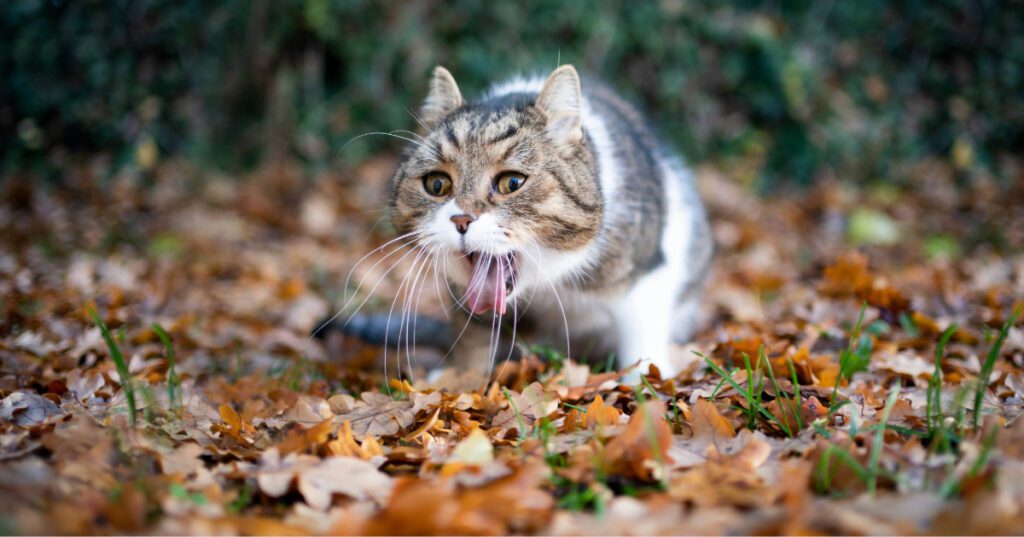
Why Is My Cat Throwing Up?
When a cat throws up, the body is actively emptying the stomach or upper small intestine. This process is different from regurgitation, which is more passive and often involves undigested food coming back up shortly after eating. True vomiting usually includes abdominal effort, drooling, or retching before material is expelled. If you have noticed repeated cat throwing up episodes, it often signals irritation, inflammation, or dysfunction somewhere in the digestive tract.
Cats have sensitive digestive systems, and even small changes can trigger vomiting. A sudden diet switch, eating too quickly, or ingesting something that does not belong in the stomach can all play a role. Vomiting may also stem from conditions outside the stomach, such as kidney disease, liver disease, or hormonal disorders. That is why persistent or frequent vomiting deserves veterinary attention. Each episode provides a clue, and patterns matter just as much as individual incidents.
Causes of Cat Vomiting
Vomiting in cats can have many underlying causes, which is why professional evaluation is so important. Some reasons for cat throwing up are mild and temporary, while others require prompt medical care. Cats cannot explain how they feel, so we rely on physical signs and history to guide us. Common causes of vomiting in cats include:
- Dietary intolerance or food sensitivity
- Hairballs that irritate the stomach lining
- Eating too quickly or overeating
- Gastrointestinal infections or parasites
- Inflammatory bowel disease (IBD)
- Pancreatitis
- Kidney disease or liver disease
- Ingestion of foreign objects
- Exposure to toxins or certain plants
Hairballs often come to mind first, especially in long-haired cats. While an occasional hairball can be expected, frequent vomiting should never be dismissed as “just hairballs.” Chronic cat throwing up often has a medical explanation that needs investigation. Early diagnosis can make a meaningful difference in comfort and long-term health.
What Does Your Cat’s Vomit Look Like?
The appearance of vomit gives veterinarians valuable information. Color, texture, and contents help narrow down possible causes of your cat throwing up. Owners who can describe what they see clearly give the veterinary team a strong starting point.
Clear or Foamy Liquid
Clear or white foam may indicate an empty stomach or irritation from stomach acid. Cats sometimes vomit foam when they have not eaten for a while, but repeated episodes may point to gastritis or another digestive issue.
Food or Partially Digested Material
Vomiting shortly after eating may involve recognizable food. This can relate to eating too fast, food intolerance, or problems with stomach emptying. If your cat frequently throws up food, the pattern is important to share with your veterinarian.
Yellow or Bile-Stained Vomit
Yellow fluid often contains bile from the small intestine. This can occur with an empty stomach, but it also appears with inflammatory conditions, liver disease, or intestinal disorders.
Hair and Tubular Masses
Hairballs look like dense, tube-shaped clumps of hair. Occasional hairballs happen, but frequent ones can signal underlying digestive or grooming issues that deserve attention.
Cat Vomiting Symptoms to Look Out For
Vomiting rarely happens in isolation when a significant illness is present. Watching for additional signs helps determine how urgent the situation may be. Repeated episodes of your cat throwing up combined with other changes can point toward systemic disease. Symptoms that often accompany vomiting include:
- Decreased appetite or refusal to eat
- Lethargy or reduced activity
- Weight loss
- Diarrhea
- Increased thirst or urination
- Abdominal pain or sensitivity
- Changes in grooming habits
Subtle signs matter. A cat that hides more than usual or seems less social may be feeling unwell. Cats tend to mask discomfort, so even mild changes deserve attention when paired with vomiting. Early evaluation often leads to more options and better outcomes.
When To Worry About Vomiting in Cats
Many pet owners ask when cat throwing up becomes an emergency. Frequency, severity, and associated symptoms guide this decision. One isolated episode in an otherwise bright, active cat may not require urgent care, but patterns change the picture quickly. Contact your veterinarian right away if you notice:
- Vomiting multiple times in a day
- Blood in the vomit or dark, coffee-ground material
- Signs of pain or a tense abdomen
- Ongoing vomiting lasting more than a day
- Weakness, collapse, or severe lethargy
- A known or suspected toxin exposure
- A kitten or senior cat that is vomiting
Kittens, older cats, and cats with existing medical conditions are more vulnerable to dehydration and complications. If you feel unsure, trust that instinct. Calling Best Friends Veterinary Hospital for guidance can help you decide on next steps and timing.
How Veterinarians Diagnose Vomiting in Cats
Diagnosing the reason behind cat throwing up involves careful history-taking and a thorough physical exam. Your veterinary team will ask about diet, recent changes, exposure to new items, and the frequency and appearance of vomiting. These details shape the diagnostic plan.
Physical Examination
Your veterinarian checks hydration, body condition, abdominal comfort, and overall demeanor. Subtle findings during the exam often guide which tests come next.
Laboratory Testing
Bloodwork and urine testing help evaluate organ function, including the liver, kidneys, and pancreas. These tests also look for signs of infection, inflammation, or metabolic disorders.
Imaging
X-rays and ultrasound allow the team to visualize the stomach and intestines. Imaging can reveal foreign objects, masses, abnormal gas patterns, or structural changes.
Additional Diagnostics
In some cases, further tests such as fecal analysis, specialized blood tests, or endoscopy are recommended. Each step helps narrow down the cause so treatment targets the actual problem.
Cat Vomiting Treatment
Treatment for cat throwing up depends entirely on the underlying cause. Vomiting itself is a symptom, so effective care focuses on the condition driving it. After diagnosis, your veterinarian outlines a plan designed for your cat’s specific needs.
Therapy may involve medications to control nausea, reduce stomach inflammation, or address infection or parasites. Dietary management often plays a role, particularly when food sensitivities or inflammatory conditions are involved. Cats with organ disease may need long-term medical support and monitoring. In cases involving foreign objects or obstructions, surgical intervention may be necessary.
Ongoing communication with your veterinary team helps track progress and adjust care as needed. Vomiting that resolves quickly after treatment still warrants follow-up, especially if episodes were frequent or severe.
A Healthy Digestive System Starts With Veterinary Support
Seeing your cat throwing up can feel alarming, especially when the cause is unclear. Vomiting sends a message that something needs attention, and early evaluation often leads to clearer answers and faster relief. Tracking patterns, noting other symptoms, and reaching out promptly all support your cat’s comfort and long-term health.
Best Friends Veterinary Hospital partners with pet owners to investigate digestive concerns and provide thoughtful, individualized care. If your cat is throwing up, call one of our locations or book an appointment online today. Our team is here to listen, examine, and guide you through the next steps with clarity and compassion.
Recent Posts


About Best Friends Veterinary Hospital
Our veterinarians and staff warmly welcome dogs, cats, and a variety of exotic pets as patients here at our animal hospital, and we offer a host of services to give your unique family member a lifetime of excellent care.