
Decoding the Reverse Sneeze in Dogs: Causes, Triggers, and When to See a Vet
A quiet evening with your dog can shift in seconds when a sudden snorting, honking sound fills the room. Your dog stiffens, stretches their neck, and pulls air inward with rapid, forceful breaths. It looks alarming, and many pet owners fear their dog cannot breathe. In many of these moments, the episode turns out to be reverse sneezing in dogs, a common respiratory event that appears dramatic but often resolves quickly. Even so, the experience raises important questions about airway health, triggers, and when veterinary care matters. Learning what is happening during a reverse sneeze helps you respond calmly and know when to involve your veterinary team.
What Is Reverse Sneezing in Dogs?
Reverse sneezing in dogs describes a sudden series of rapid inhalations through the nose, often paired with snorting or gag-like sounds. During a normal sneeze, air forcefully exits the nose to clear irritants. During a reverse sneeze, air pulls inward instead. This reflex involves the upper airway, particularly the nasopharynx, which sits behind the nasal passages. When tissue in this area becomes irritated, the body reacts with spasms that produce the distinctive sound and posture many owners notice. Dogs often stand still, extend the neck, and brace their legs while the episode occurs. Most events last under a minute, though they can feel much longer to someone watching.
Reverse sneezing in dogs appears across breeds, sizes, and ages, but it often shows up in small and brachycephalic dogs with shorter muzzles. These dogs have compact nasal and throat structures that may respond more dramatically to irritation. While a single, brief episode may not signal a serious problem, repeated or worsening events deserve veterinary attention. Tracking patterns, frequency, and associated signs gives your veterinary team helpful information. Understanding the basic mechanics helps you distinguish reverse sneezing from coughing, choking, or more urgent respiratory issues.
Why Do Dogs Reverse Sneeze?
Many triggers can set off reverse sneezing in dogs, and they typically relate to irritation of the nasal passages or throat. Environmental factors often play a role, especially in dogs with sensitive airways. Sudden temperature shifts, strong scents, or airborne particles can stimulate the reflex. Physical excitement, pulling on a collar, or eating and drinking quickly may also contribute. Some dogs show episodes during seasonal changes, suggesting a link to allergens.
Common Irritants and Environmental Triggers
Irritants in a dog’s environment frequently spark reverse sneezing episodes. These triggers can be subtle and vary from household to household. Even routine activities may expose dogs to particles that bother the upper airway.
- Dust, pollen, and mold spores in the air
- Smoke, perfumes, cleaning products, or candles
- Yard debris, grass, or plant material
- Dry air from heating or cooling systems
These factors do not affect every dog the same way. A dog with a sensitive nasal lining may react to exposures that others tolerate without issue. Patterns related to season, location, or activity often help identify environmental links.
Physical and Anatomical Factors
Structure matters when it comes to reverse sneezing in dogs. Dogs with narrower nasal passages or elongated soft palates may experience more irritation in the upper airway. Excitement, leash tension on a collar, or sudden movement can stimulate the back of the throat. Eating too quickly or pulling hard while walking can also contribute. In some cases, underlying nasal or throat issues increase the likelihood of episodes. These may include inflammation, infections, or growths that alter airflow.
What Does Reverse Sneezing in Dogs Sound Like?
The sound of reverse sneezing in dogs often causes the most concern. Owners describe it as honking, snorting, or a loud, repetitive sniffing noise. It can resemble choking or a gagging reflex, which is why the event feels urgent. Dogs typically remain conscious and aware during the episode, even though their posture looks tense. They may stand still, widen their eyes, and draw air in sharply several times in a row. After the episode ends, many dogs return to normal behavior immediately.
This sound differs from coughing, which usually involves air pushing outward from the lungs. It also differs from choking, where an object blocks the airway and the dog cannot move air effectively. Observing how your dog behaves before and after an episode helps your veterinarian narrow down possibilities. Recording a video during an event often provides valuable context. The sound pattern, body posture, and recovery phase all offer diagnostic clues.
How to Stop Reverse Sneezing in Dogs
Episodes of reverse sneezing in dogs often stop on their own within a short time. Because the event involves a reflex of the upper airway, it typically resolves once the irritation subsides. What matters most is how you respond during the moment. Staying calm helps prevent added stress for your dog, which can otherwise prolong the episode. Watching for changes in color, consciousness, or breathing effort helps you assess whether the situation remains consistent with reverse sneezing.
Veterinary guidance focuses on identifying and managing underlying triggers rather than quick fixes at home. Your veterinary team may discuss environmental factors, airway structure, and overall respiratory health. If episodes occur frequently, last longer, or appear more intense over time, scheduling an exam becomes important. A professional evaluation helps rule out other conditions that mimic reverse sneezing. Clear communication with your veterinarian supports a plan that addresses the root cause.
When to Go to The Vet for Reverse Sneezing
While many cases of reverse sneezing in dogs are brief and infrequent, some patterns signal the need for prompt veterinary care. Changes in frequency, severity, or associated symptoms deserve attention. If episodes begin happening daily or several times a day, your dog’s airway may be under ongoing stress. Signs that extend beyond the typical reverse sneeze pattern also matter. These can point to infections, foreign material, or other airway disorders.
Warning Signs That Need Veterinary Evaluation
Certain signs should move reverse sneezing in dogs from a watch-and-wait situation to a veterinary visit. These signs suggest a deeper issue affecting the respiratory system.
- Nasal discharge that is thick, colored, or bloody
- Lethargy, reduced appetite, or behavior changes
- Persistent coughing along with reverse sneezing
- Swelling around the nose or face
- Episodes that do not resolve or seem to worsen
Early evaluation helps your veterinary team identify concerns before they escalate. Even if the outcome is reassurance, the visit provides clarity and a plan.
How Do Vets Diagnose Reverse Sneezing?
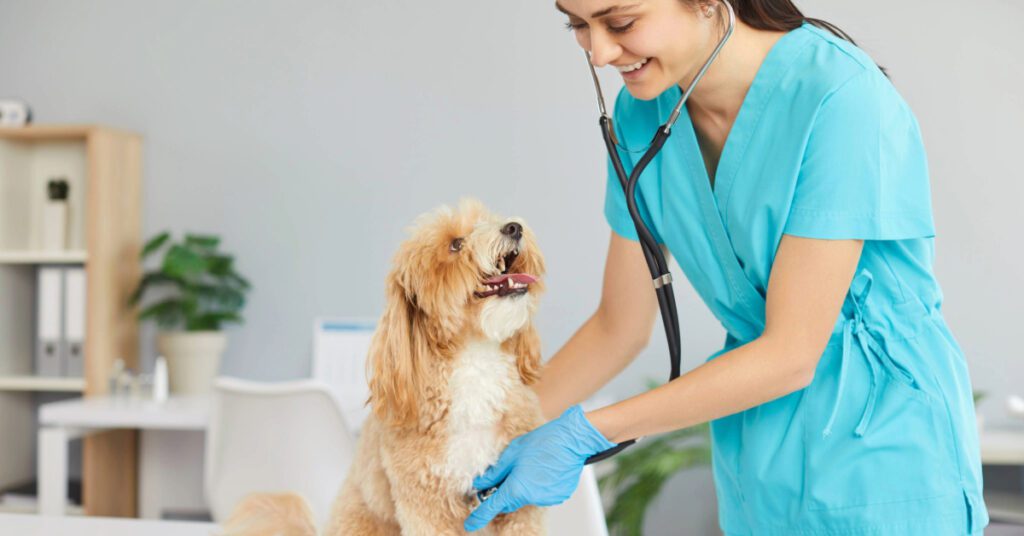
Diagnosing reverse sneezing in dogs begins with a detailed history and physical examination. Your veterinarian listens to the lungs and airway, checks the nose and throat, and assesses overall health. Information about timing, environment, and recent changes in your dog’s routine adds helpful context. Videos of episodes often play a key role, since the event may not occur during the visit. From there, your veterinarian determines whether further testing is needed.
Diagnostic Tools Your Vet May Use
When episodes appear frequent, severe, or unusual, your veterinary team may recommend additional diagnostics. These tests aim to identify inflammation, infection, structural concerns, or foreign material.
- Nasal or throat imaging such as X-rays
- Rhinoscopy to examine nasal passages
- Lab tests to check for infection or inflammation
- Sedated exams to evaluate deeper airway structures
Each step builds a clearer picture of what drives the episodes. The goal focuses on understanding the cause rather than just labeling the sound.
Treatment Approach for Reverse Sneezing in Dogs
Treatment for reverse sneezing in dogs depends on the underlying cause. When irritation from allergens or environmental factors contributes, your veterinarian may discuss strategies to reduce exposure and support airway comfort. If inflammation plays a role, medications may help calm irritated tissues. In cases involving infection, targeted therapies address the specific issue. Structural concerns sometimes require specialized approaches. Every plan reflects the individual dog’s anatomy, lifestyle, and overall health.
Ongoing communication with your veterinary team ensures the approach evolves as needed. Tracking how often episodes occur and what seems to trigger them supports effective management. Dogs with infrequent, mild events may only need monitoring and routine wellness care. Dogs with persistent problems benefit from a structured treatment plan and follow-up visits. Addressing reverse sneezing early often leads to better long-term airway health.
Support for Your Dog’s Breathing
Reverse sneezing in dogs can look and sound dramatic, but understanding the reflex helps reduce fear and guide next steps. Patterns, triggers, and associated signs offer valuable insight into what your dog’s airway experiences. Veterinary evaluation brings clarity and helps rule out conditions that need attention. If your dog experiences repeated or concerning episodes, connect with the team at Best Friends Veterinary Hospital. Call one of our locations or book an appointment online today to discuss your dog’s respiratory health and create a plan that fits their needs.
Recent Posts
About Best Friends Veterinary Hospital
Our veterinarians and staff warmly welcome dogs, cats, and a variety of exotic pets as patients here at our animal hospital, and we offer a host of services to give your unique family member a lifetime of excellent care.