
Can Dogs Eat Turkey?
The smell of turkey roasting in the kitchen has a way of drawing everyone in, including the dog waiting patiently at your feet. Many pet owners find themselves wondering, “Can dogs eat turkey?”, or is this popular protein better left on human plates? Turkey can be a safe food for dogs in certain situations, but preparation, portion size, and your dog’s individual health history all matter. A small bite of plain, cooked turkey may seem harmless, yet seasoned, fatty, or bone-in servings can quickly create problems. This article breaks down what pet owners should know, what to avoid, and when to talk with a veterinary professional before sharing table foods.
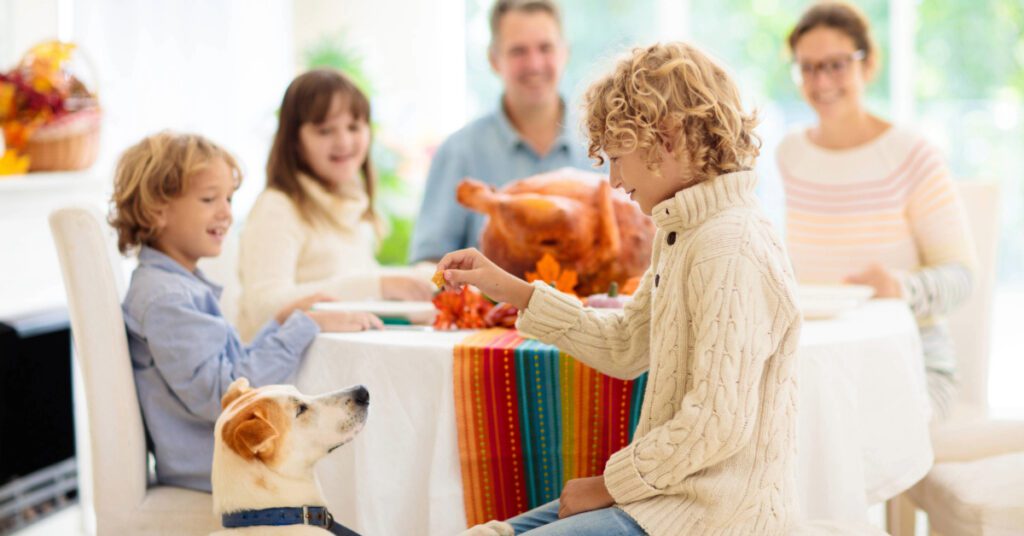
So, Can Dogs Eat Turkey?
Yes, dogs can eat turkey in moderation, but the answer depends on how the turkey is prepared and how much your dog consumes. Plain, fully cooked turkey meat without skin, seasoning, or added fats is generally easier for dogs to digest than heavily prepared versions. Turkey is a lean protein that contains amino acids, vitamins, and minerals that support muscle maintenance and overall body function. However, even healthy foods can upset a dog’s digestive system if introduced suddenly or offered in large amounts.
When pet owners ask, “Can dogs eat turkey?”, they often do not realize that common cooking ingredients like garlic, onions, butter, and salt can pose risks. These additions, which are common in holiday meals, change turkey from a simple protein into something that may cause stomach upset or more serious concerns.
Portion control also plays a major role in answering how much turkey you can give your dog. Dogs have different calorie needs based on size, age, and activity level, so what works for one dog may not suit another. Turkey should never replace a complete, balanced dog food formulated to meet daily nutritional needs. Instead, it functions more like an occasional treat rather than a dietary staple. Frequent table scraps, even lean ones, can contribute to weight gain over time. Extra weight increases the risk of joint strain and other long-term health challenges. Your veterinary team can help determine whether turkey fits safely into your dog’s routine.
Why Plain Turkey Is Different From Table Turkey
Plain turkey refers to meat that is baked, roasted, or boiled without seasoning, sauces, or added oils. Table turkey often includes gravy, herbs, salt, and other ingredients that may irritate a dog’s stomach. Fatty drippings and skin add extra calories and can be difficult for some dogs to process. Rich foods sometimes trigger digestive upset, including vomiting or diarrhea. Dogs with sensitive stomachs or existing medical conditions may react more strongly. Keeping turkey simple reduces unnecessary risk.
How to Safely Feed Your Dog Turkey
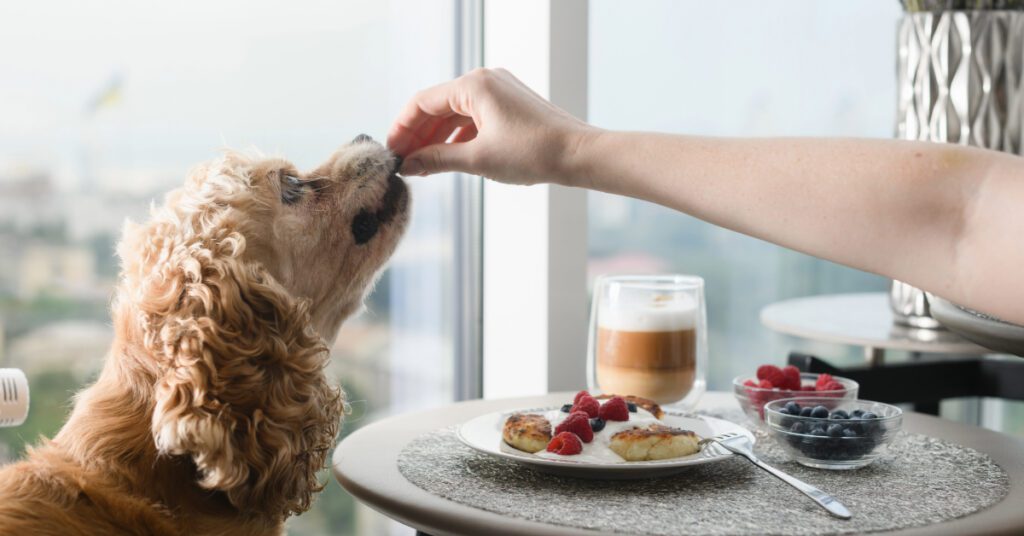
Pet owners who want to share turkey with their dog should focus on safety and moderation. The safest approach starts with offering only small amounts and watching for any digestive changes afterward. Introducing new foods slowly helps reduce the chance of stomach upset. Turkey should be fully cooked, as raw or undercooked meat carries a higher risk of harmful bacteria. Remove skin, visible fat, and any seasoning before offering a bite. These steps help answer the common question, “How much turkey can I give my dog?”, in a way that prioritizes your dog’s comfort and well-being.
Safe feeding also involves understanding that dogs process foods differently than people do. What feels like a tiny portion to a person can be a large amount for a small dog. Treats, including turkey, should make up only a small part of daily calorie intake. Overfeeding extras can lead to unwanted weight gain and digestive changes. Dogs with known food sensitivities may need extra caution with new proteins. If your dog has a history of stomach upset, talk with a veterinary professional before adding new foods.
Practical Safety Tips
- Offer only plain, cooked turkey meat with no seasoning
- Remove skin, bones, and excess fat
- Give small pieces rather than large chunks
- Introduce turkey gradually instead of all at once
- Monitor your dog for changes in appetite or stool
These guidelines support safer choices but do not replace professional guidance tailored to your dog.
When Turkey May Not Be Ideal
Some dogs have dietary restrictions due to medical conditions. Dogs with certain digestive disorders, food allergies, or weight management plans may not tolerate extra proteins well. Senior dogs and very young puppies may also need more structured nutrition. In these situations, even small treats can interfere with a carefully planned diet. If you feel unsure about whether dogs can eat turkey in your dog’s case, a veterinary team can provide guidance based on health history. Personalized recommendations help reduce guesswork. Your dog’s regular care provider knows their specific needs.
Can Dogs Eat Turkey Bones?
Turkey bones present a separate and serious concern. Cooked bones become brittle and can splinter easily when chewed. These sharp fragments may cause injuries inside the mouth, throat, or digestive tract. Pet owners often ask “Can dogs eat turkey?” bones, assuming they function like traditional chew items, but poultry bones carry higher risk than many realize. Swallowing bone pieces may lead to choking, blockage, or internal irritation. Even large dogs with strong jaws are not immune to these hazards. For safety, keep all turkey bones out of reach.
Bones left on plates or in trash bags can be tempting for dogs, especially during busy gatherings. A single moment of access can lead to an emergency visit. Securing leftovers and disposing of bones promptly reduces risk. Teach guests, including children, not to offer bones as treats. Dogs may chew enthusiastically without recognizing danger. Prevention plays a key role in avoiding bone-related injuries.
Signs a Dog May Need Veterinary Attention
If a dog gets into turkey bones or large amounts of rich food, changes in behavior may follow. Pet owners should watch for:
- Difficulty swallowing or excessive drooling
- Repeated vomiting or gagging
- Abdominal discomfort or restlessness
- Loss of appetite
- Changes in stool consistency
These signs do not confirm a specific problem but signal that evaluation may be needed. Prompt communication with a veterinary professional supports quicker care.
Turkey in Commercial Dog Foods vs. Table Scraps
Turkey often appears as an ingredient in commercial dog foods and treats. In these products, turkey is processed and balanced alongside other nutrients to support a dog’s overall diet. This differs from sharing pieces from the dinner table. Formulated foods account for protein levels, fats, vitamins, and minerals in appropriate ratios. Table turkey does not offer that same balance. Relying on scraps can create nutritional gaps over time. Pet owners sometimes assume that because turkey is in dog food, unlimited turkey is safe. The form and quantity make a difference. Commercial diets undergo testing and quality control. Leftovers from human meals vary in fat content and preparation style. Consistency matters for digestive health. Sticking with a complete dog food as the main diet supports long-term wellness.
Questions About Turkey and Your Dog’s Diet?
Sharing food with a dog often comes from a place of affection, but informed choices make a big difference. If you find yourself asking “Can dogs eat turkey?” or “How much turkey can I give my dog?”, your veterinary team can help you sort through safe options based on your dog’s age, breed, and health history. They can also discuss balanced nutrition and treat guidelines that fit your dog’s lifestyle. Best Friends Veterinary Hospital welcomes questions about diet and everyday care. Call one of our locations or book an appointment online to talk with our team. Clear guidance today helps support your dog’s health for years to come.
Recent Posts

About Best Friends Veterinary Hospital
Our veterinarians and staff warmly welcome dogs, cats, and a variety of exotic pets as patients here at our animal hospital, and we offer a host of services to give your unique family member a lifetime of excellent care.